Dentistry
A healthy dentition is essential for the well-being of every animal. Dental problems not only cause pain but can also lead to infections or disease in other organs. Regular dental check-ups and proper oral hygiene are therefore indispensable parts of preventive care.

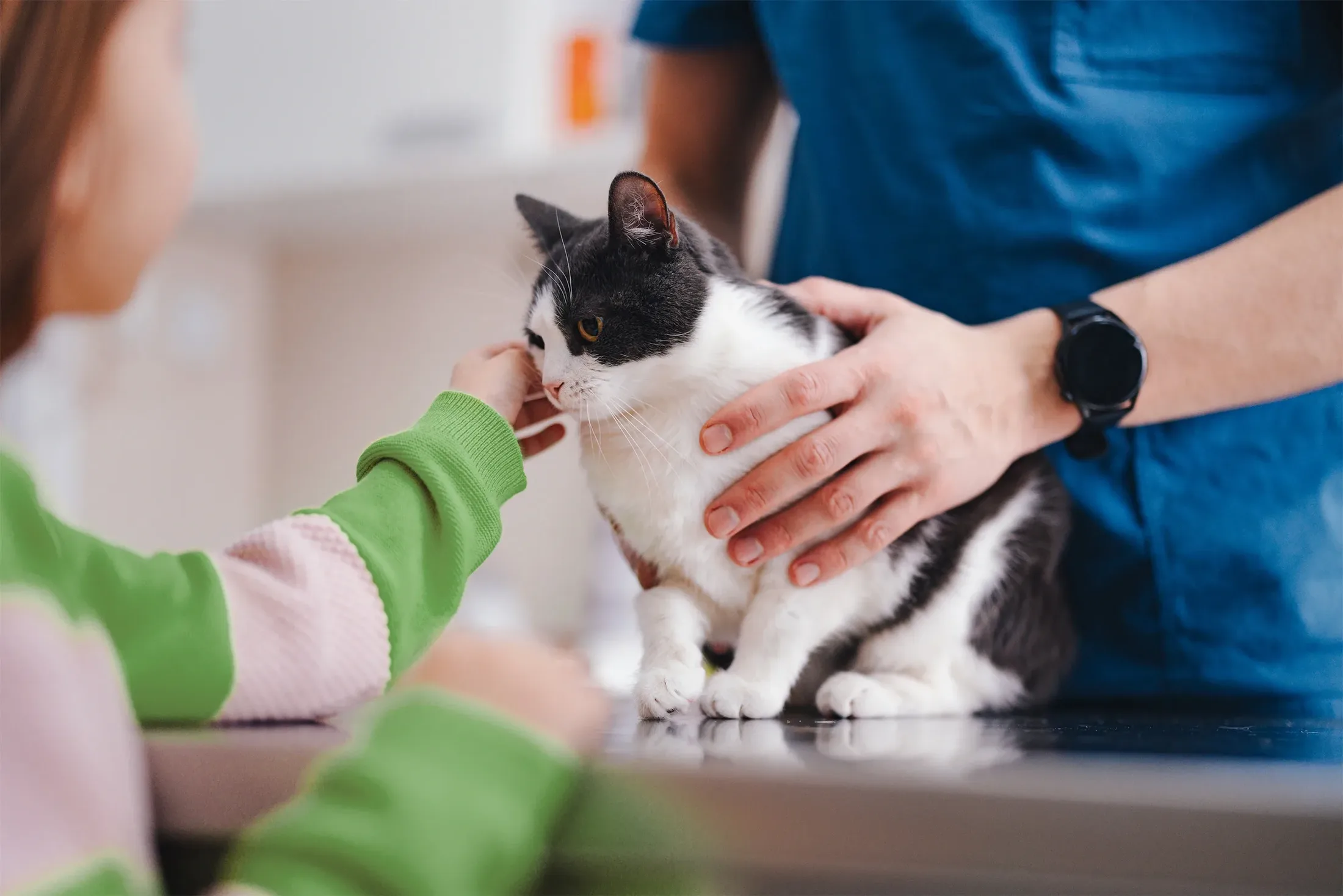


Dentistry| Dog & cat
Dental disorders are common in dogs and cats, particularly tartar buildup, gingivitis, and tooth loss. Timely intervention helps prevent serious complications. Treatments range from professional dental cleaning to extractions or endodontic procedures, depending on the severity of the condition.
Tartar forms through mineralization of dental plaque and is the main cause of gingivitis and halitosis. During a dental cleaning, deposits above and below the gum line are removed. The procedure is performed under anesthesia and followed by polishing to slow the formation of new plaque. Regular cleaning helps prevent tooth loss.
When a tooth is severely affected by infection or jawbone destruction, extraction is the only solution. The procedure is performed under anesthesia with careful attention to pain management and aftercare. Extractions relieve pain and prevent the spread of infection.
Damaged teeth can sometimes be preserved through endodontic treatment, in which the pulp cavity is cleaned and filled. This prevents further infection and maintains tooth function. If the damage is too severe, the tooth must still be extracted.
Jaw fractures in dogs and cats usually result from trauma, such as traffic accidents, falls, or bite wounds. They may cause pain, difficulty eating, excessive salivation, and sometimes visible jaw misalignment. Because the jaw plays a crucial role in eating, breathing, and overall comfort, prompt veterinary assessment is essential. Treatment ranges from rest and modified feeding to surgical stabilization, depending on the severity and location of the fracture. Timely and appropriate management greatly improves the likelihood of a good recovery.
Dental developmental disorders in dogs and cats arise during tooth development and may affect both deciduous and permanent teeth. Examples include delayed tooth eruption, retained deciduous teeth, abnormal tooth positioning, or enamel defects. These conditions can lead to pain, inflammation, feeding difficulties, and an increased risk of periodontal disease. Early detection and timely veterinary guidance are important to prevent permanent damage.


Dentistry| Rabbit & rodent
Dental problems in rabbits and rodents usually result from abnormal tooth wear, as their teeth grow continuously. Proper nutrition and regular dental check-ups are crucial to prevent pain, feeding problems, and jaw abscesses.
In cases of fractures or excessive wear of incisors or cheek teeth, restorative treatment may be necessary to preserve tooth structure. This helps prevent further damage and restores chewing function.
Dental radiographs allow detection of root problems, inflammation, or fractures that are not visible to the naked eye. This is an essential component of dental care in small mammals.
Abnormalities in tooth growth or alignment can cause pain and feeding difficulties. Early detection is important to correct malformations or malocclusion.
Jaw fractures in small animals are often caused by trauma or underlying dental disease. Treatment focuses on stabilization and restoration of chewing function, sometimes using wire or plate fixation.
When the teeth of rabbits or rodents do not wear evenly, sharp edges or overgrown teeth develop, causing pain and difficulty eating. Treatment consists of trimming incisors and cheek teeth and correcting the bite.
Dental abscesses are localized infections around a tooth or tooth root, with accumulation of pus in surrounding tissues. They often result from tooth damage, periodontal disease, or underlying malocclusion. Animals may show pain, swelling, reduced appetite, and sometimes fever, although signs are not always obvious. Prompt and targeted treatment is important to prevent spread of infection and chronic complications.


Dentistry| Horse
Dental care in horses is essential for proper digestion and comfort during riding. Annual dental examinations help prevent pain, weight loss, and behavioral issues caused by sharp enamel points or inflammation.
A dental abscess results from infection of the tooth root or surrounding bone. This causes swelling, pain, and sometimes nasal discharge. Treatment includes drainage, antibiotics, and in severe cases extraction of the affected tooth.
Regular examination and maintenance of the equine dentition are essential to prevent sharp edges, hooks, or uneven wear. Professional dental care improves chewing efficiency, comfort with the bit, and overall performance.
Wolf teeth and retained deciduous teeth can sometimes interfere with bit use. When necessary, they are removed under sedation. Surgical tooth extractions are performed only for pathological conditions and require careful aftercare.