Ophthalmology
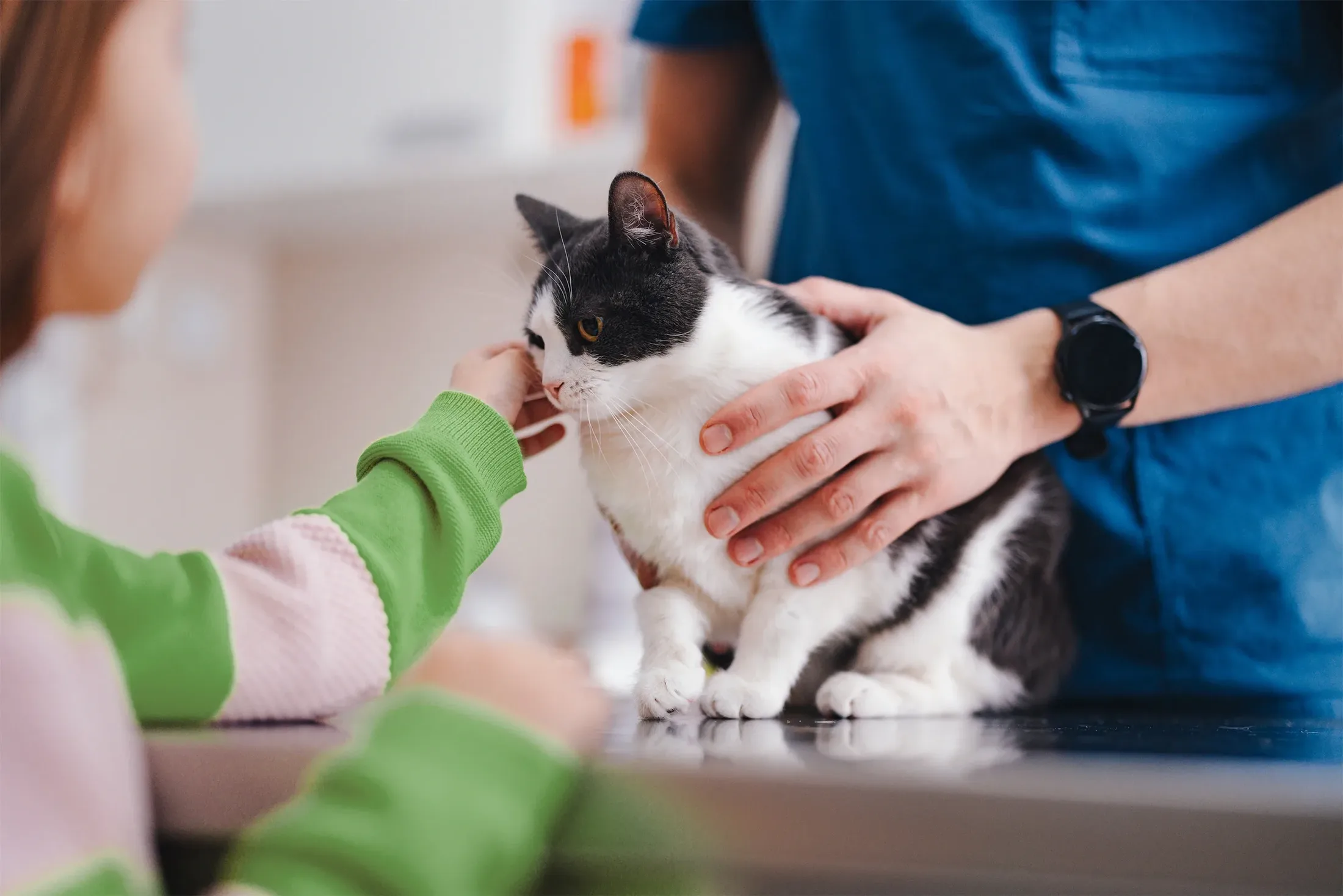
Eye disorders are common in companion animals and can rapidly worsen if not recognized in time. Because the eye is a complex and sensitive organ, any problem requires an accurate diagnosis and targeted treatment. Ophthalmic examinations are performed using specialized instruments, often with magnification, to detect subtle lesions.



Ophthalmology| Eyelids
The eyelids protect the eye and ensure even distribution of the tear film. When their position or function is disrupted, this can lead to irritation, pain, or permanent damage to the cornea. Correction of eyelid disorders is usually surgical and aimed at restoring normal closure and protection of the eye.
In entropion, the eyelid rolls inward, causing the eyelashes or skin to rub continuously against the cornea. This leads to irritation, tearing, and pain, and may result in corneal ulcers. The condition can be congenital or acquired. Treatment consists of surgical correction of the eyelid to restore normal positioning.
Ectropion is the opposite of entropion: the eyelid turns outward, exposing the conjunctiva. This causes the eye to dry out and become more prone to inflammation. The condition occurs more frequently in certain breeds with loose skin. Treatment involves surgical shortening or tightening of the eyelid to restore adequate protection.
Cherry eye occurs when the gland of the third eyelid prolapses due to weakened supporting tissues. This results in a red, rounded mass in the inner corner of the eye. Because the gland is essential for tear production, it should be preserved. Therefore, it is surgically repositioned and secured rather than removed.
Eyelid tumors are common in older animals. Most are benign, but they can cause irritation or interfere with vision. Surgical removal is usually curative and is performed while preserving the natural shape of the eyelid.
In some cases, such as an irreversibly damaged eye, a malignant tumor, or uncontrollable pain, removal of the eye is necessary. This procedure is only performed when all other treatment options have been exhausted. Animals generally adapt well afterward and can maintain an excellent quality of life.
Ophthalmology| Cornea
The cornea forms the transparent outer layer of the eye and plays a crucial role in vision. Damage to the cornea causes pain, squinting, and excessive tearing. Rapid diagnosis and treatment are essential to prevent permanent blindness.
Corneal injuries result from trauma, dryness, or infection and range from superficial scratches to deep ulcers. Examination with fluorescein staining reveals the extent of the lesion. Treatment consists of medication to prevent infection and promote healing; in severe cases, surgical procedures such as grid keratotomy or placement of a conjunctival flap may be required.

Ophthalmology| Lens & intraocular pressure
The lens and intraocular pressure together determine the clarity of vision. Conditions such as cataracts or glaucoma disrupt this balance and can rapidly lead to blindness if left untreated.
A cataract is a clouding of the eye’s lens that gradually reduces vision. It commonly occurs in older animals or as a result of diabetes. Diagnosis is made by ophthalmoscopic examination. The only effective treatment is surgical removal of the lens using a technique comparable to that used in humans.
Glaucoma is characterized by increased intraocular pressure, which can cause irreversible damage to the retina and optic nerve. Symptoms include pain, redness, and enlargement of the eyeball. Early diagnosis is crucial. Treatment combines pressure-lowering medication with, when indicated, surgical procedures to restore balance in aqueous humor dynamics.
Lens luxation refers to displacement of the lens due to rupture of its suspensory ligaments. This can cause acute pain and increased intraocular pressure. Prompt treatment is necessary to prevent vision loss; depending on the situation, medical management or surgical intervention may be required.

Ophthalmology| Tear production & tear ducts
Tears lubricate and protect the eye against dryness and infection. Disruption of tear production or drainage can quickly lead to irritation, inflammation, or excessive tearing. Tear production testing and inspection of the tear ducts help identify the underlying cause.
Keratoconjunctivitis sicca (KCS) results from insufficient tear production. The eye becomes dry, inflamed, and may turn cloudy. The condition is often chronic and requires lifelong treatment with eye drops that stimulate tear production and protect the ocular surface.
Obstruction of the tear duct prevents normal tear drainage, causing the eye to appear constantly moist or become inflamed. Diagnosis is performed using contrast flushing. Treatment consists of flushing the duct or surgically opening it.
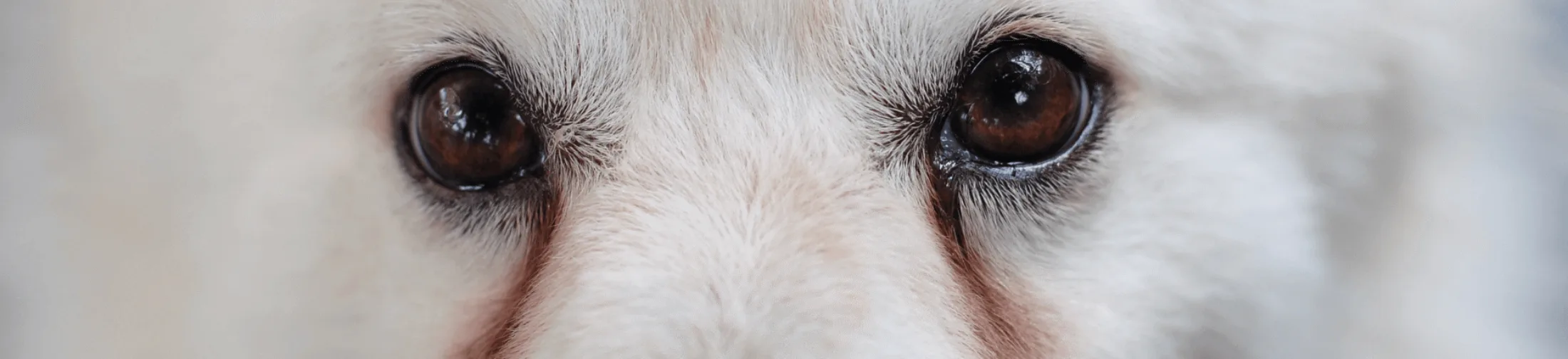
When excessive tearing occurs, the cause is often irritation, allergy, or abnormalities of the eyelids or tear puncta. Tear overflow may cause brown discoloration around the eyes. Diagnosis focuses on identifying and eliminating the underlying source of irritation.