Orthopedics
This page is the place to find reliable and easy-to-understand information about bones, joints, and movement in pets. Here you can read how orthopedic problems are identified and treated.
Our veterinarians share their expertise in clear, well-structured articles, grouped by theme. This way, you can quickly find answers to your questions and easily navigate to topics that interest you.


Orthopedics| Joints
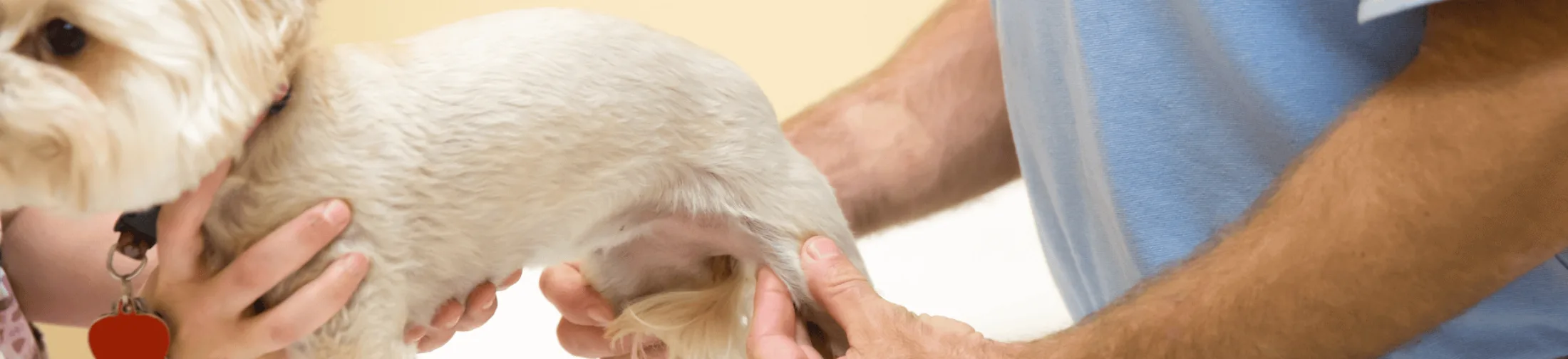
Joint disorders in pets can cause pain, stiffness, and mobility problems. In this section, you can read how veterinarians diagnose these conditions, which treatment options are available, and how you can best support your pet’s mobility.
The shoulder in pets can be affected by various conditions such as OCD, instability, or biceps tendon injury. Abnormalities such as dysplasia, elbow incongruity, or injuries requiring reconstruction or biceps transposition may also occur.
Elbow disorders such as FCP, medial compartment syndrome, UAP, and Ununited Coronoid Process are common causes of lameness. Dysplasia and incongruity can also lead to pain and mobility problems.
Instability of the wrist (carpus) is one of the most common orthopedic problems affecting this joint. It can result from trauma, degenerative changes, or congenital abnormalities and often leads to pain, swelling, lameness, and loss of function. Depending on the severity and underlying cause, both conservative and surgical treatment options are possible, with the aim of improving comfort, stability, and limb function.
The hip can be affected by conditions such as hip dysplasia, hip luxation, or osteoarthritis. Treatments range from femoral head and neck excision to more advanced techniques such as DPO, total hip replacement, or JPS.
Knee problems are common in dogs and cats and are a frequent cause of lameness. Common conditions include ruptures of the cranial cruciate ligament, which can be treated using techniques such as TPLO, TTA, or CBLO. Patellar luxation is also regularly diagnosed. These conditions can cause pain and restricted movement and require tailored treatment.
The hock or tarsus can be affected by various orthopedic conditions. Common problems include OCD, instability, and severe traumatic injuries. In certain cases, surgical intervention such as pantarsal or tarsometatarsal arthrodesis is indicated. These conditions can lead to pain, lameness, and reduced weight-bearing of the hind limb.
Osteoarthritis, or degenerative joint disease, is a common condition in animals and often develops at an older age, but it can also occur following injury. It causes chronic pain, stiffness, and reduced mobility. Although osteoarthritis cannot be cured, various treatments can help alleviate clinical signs. Appropriate support and tailored management contribute to an improved quality of life.


Orthopedics| Muscle and tendon disorders
Muscle and tendon problems often present as lameness or reduced strength. Here you will find information of the most common conditions, how they are diagnosed, and which therapies support recovery.
A ruptured tendon usually causes acute pain and marked lameness. The severity of the injury determines whether surgical repair or conservative management is indicated. An accurate diagnosis is essential to prevent further damage. Timely and appropriate treatment promotes recovery and functional outcome.
Tendinitis and tendinopathies are conditions in which tendons become inflamed or overloaded. They commonly occur, among others, at the level of the biceps tendon and in flexor enthesopathies. These injuries typically cause pain, lameness, and reduced load-bearing capacity. Treatment depends on severity and may include rest, medication, rehabilitation, or targeted interventions.
Sudden or excessive overload can lead to tears in muscle tissue. Muscle tears often cause acute pain, swelling, and a variable degree of lameness. Diagnosis is based on clinical examination and, if indicated, imaging. Depending on severity, a tailored period of rest, medication, and rehabilitation can support recovery.
Myositis and myopathies are muscle diseases that can lead to muscle weakness, pain, and loss of function. Examples include masticatory myositis, generalized myositis, and muscle degeneration. An extensive diagnostic work-up is often required to identify the underlying cause. Targeted treatment can help preserve muscle mass, comfort, and functionality as effectively as possible.

Orthopedics| Fractures
Bone fractures or cracks require a prompt and targeted approach. In this section, you can read how fractures are diagnosed, which treatment options are available, and how the recovery process in animals is supported.
Traumatic fractures result from an accident and can be open or closed. They often cause pain, swelling, and loss of function of the affected limb. A rapid and accurate diagnosis is essential for optimal recovery. Treatment ranges from conservative immobilization to surgical stabilization, such as osteosynthesis.
Not all bone fractures result from trauma; some occur as a consequence of underlying medical conditions. Pathological fractures may be caused by tumors, metabolic disorders, or infections that weaken the bone. A thorough diagnostic approach is required to identify the underlying cause. Treatment focuses on both the fracture itself and the underlying condition.

Orthopedics| Growth and developmental disorders
In young animals, growth-related problems can lead to permanent abnormalities of bones or joints. In this section, you will learn how such disorders are identified, which treatments are available, and how timely care helps prevent complications.
In young animals, abnormal alignment of limbs or joints can lead to permanent orthopedic problems. These abnormalities may be congenital or develop during growth. A timely and accurate diagnosis is important to limit further damage. Depending on severity, both conservative measures and surgical corrections are possible.
Disturbances in calcium and phosphorus metabolism or a deficiency of vitamin D can lead to severe bone abnormalities during growth. These conditions affect bone development and increase the risk of pain, deformities, and fractures. An accurate diagnosis often requires blood tests and imaging. Treatment focuses on correcting the underlying metabolic disorder and supporting healthy bone growth.
Dysplasias such as hip dysplasia or elbow dysplasia are among the most common developmental disorders. Treatments range from surgical techniques such as FHO, DPO, JPS, and total hip replacement to procedures involving the shoulder or elbow.
Osteochondritis dissecans (OCD) is a developmental cartilage disorder that primarily affects young animals. The condition causes pain, lameness, and sometimes swelling of the affected joint. Diagnosis is based on clinical examination and imaging. Depending on severity, either conservative or surgical treatment may be indicated.
Panosteitis is a painful bone condition that primarily occurs in young, rapidly growing dogs. It often causes shifting lameness and pain on palpation of the long bones. Diagnosis is based on clinical examination and imaging. Prognosis is generally favorable, although the condition may temporarily recur during growth.


Orthopedics| Immunological joint disorders
Some joint problems arise from dysfunction of the immune system. Here you can read how these conditions are recognized, which diagnostic tests are required, and how a treatment plan is developed to limit clinical signs.
Polyarthritis is a condition in which multiple joints become inflamed simultaneously. The cause may be idiopathic or immune-mediated, with the body’s own immune system attacking the joints. This often results in pain, stiffness, and lameness. Targeted diagnostics and an appropriate treatment plan are necessary to control inflammation and improve comfort.
Systemic lupus erythematosus (SLE) is a rare autoimmune disease in which the immune system affects multiple organs, including the joints. The condition can cause a wide range of clinical signs, including lameness, fever, and general malaise. Diagnosis is often complex and requires extensive investigation. Treatment focuses on suppressing the immune response and controlling clinical signs.
Immune-mediated myositis is a condition in which the immune system attacks the body’s own muscle tissue. This leads to muscle pain, weakness, and sometimes muscle atrophy. Diagnosis often requires a combination of clinical examination, blood tests, and additional diagnostic procedures. Treatment aims to suppress the immune response and preserve muscle function.


Orthopedics| Infectious joint disorders
Bacteria or other pathogens can cause painful infections within joints. This section explains how veterinarians establish a diagnosis, which treatments are required, and what to expect during the recovery phase.
Tick-borne infections such as Ehrlichia, Borrelia (Lyme disease), and Anaplasma can cause joint inflammation and general signs of illness in animals. Clinical signs range from lameness and pain to fever and lethargy. Diagnosis is based on clinical signs, blood tests, and serological testing. Timely and targeted treatment is essential to prevent complications and promote recovery.
Bacterial infections such as septic arthritis and osteomyelitis can cause severe and permanent damage to joints and bones. They often arise following wound infections, surgery, or hematogenous spread of bacteria. Typical clinical signs include pain, swelling, fever, and pronounced lameness. Rapid diagnostics and intensive treatment are essential to limit further tissue damage.
Mycoplasma infections can cause joint inflammation leading to pain and lameness. These bacteria lack a cell wall, making them more difficult to treat with standard antibiotics. Diagnosis often requires specific tests such as PCR or specialized culture techniques. Targeted and often prolonged treatment is necessary to bring the infection under control.
Parasitic infections such as Leishmania can affect the musculoskeletal system and cause joint problems. The condition often results in chronic inflammation and may be accompanied by general signs of illness. Diagnosis is based on clinical signs combined with serological or molecular testing. Treatment is long-term and aimed at suppressing the parasite and managing clinical signs.
Fungal infections, such as those caused by Aspergillus, can lead to osteomyelitis, a severe infection of the bone. These conditions often cause pain, lameness, and sometimes general signs of illness. Diagnosis usually requires imaging and specific microbiological testing. Treatment consists of prolonged antifungal therapy and, in some cases, surgical intervention to control the infection.


Orthopedics| Amputations
In some cases, amputation is the best option to relieve pain and preserve quality of life. This may range from removal of an entire limb to smaller procedures such as amputation of digits, the tail, or parts of the jaw. The procedure is carefully considered from a medical perspective and is followed by appropriate pain management and aftercare. Animals often adapt remarkably well and can lead an active life after recovery.
Sometimes amputation is the only solution to allow an animal to continue living free of pain and with a good quality of life. This may involve removal of an entire limb, but also smaller procedures such as amputation of digits, the tail, or parts of the jaw. In this section, you can read how amputation is approached medically, how the recovery process proceeds, and how animals often learn to cope surprisingly well with the loss of a body part.


Orthopedics| Orthopedic aids
From braces to wheelchairs: orthopedic aids can significantly improve your pet’s mobility. In this section, you will discover which options are available and how veterinarians determine the most appropriate choice for each individual animal.
Orthoses or braces, such as a carpal brace or knee brace, are used to stabilize joints and provide additional support. They may be indicated in cases of instability, during rehabilitation, or as support following surgical procedures. By limiting unwanted movements, they help reduce pain and promote healing. Proper fitting and follow-up are essential for an optimal effect.
When independent walking becomes difficult, mobility aids can improve an animal’s comfort and independence. Examples include walking carts, lifting harnesses, and assistance with stair climbing. These aids reduce physical strain and help prevent falls or overloading. Choosing a solution tailored to the animal and the home environment is essential.
Rehabilitation helps pets recover after surgery or injury and supports animals with chronic conditions. Various therapies may be applied depending on the underlying condition. Hydrotherapy helps strengthen muscles and maintain joint flexibility, laser therapy supports pain management and wound healing, and therapeutic exercises promote active recovery.