Cardiology
Cardiology focuses on the diagnosis and treatment of diseases of the heart and major blood vessels in companion animals. Heart disease occurs most commonly in older dogs and cats but can also be congenital. Thanks to modern diagnostics and specialized treatments, many animals can maintain a good quality of life, even with chronic cardiac conditions.

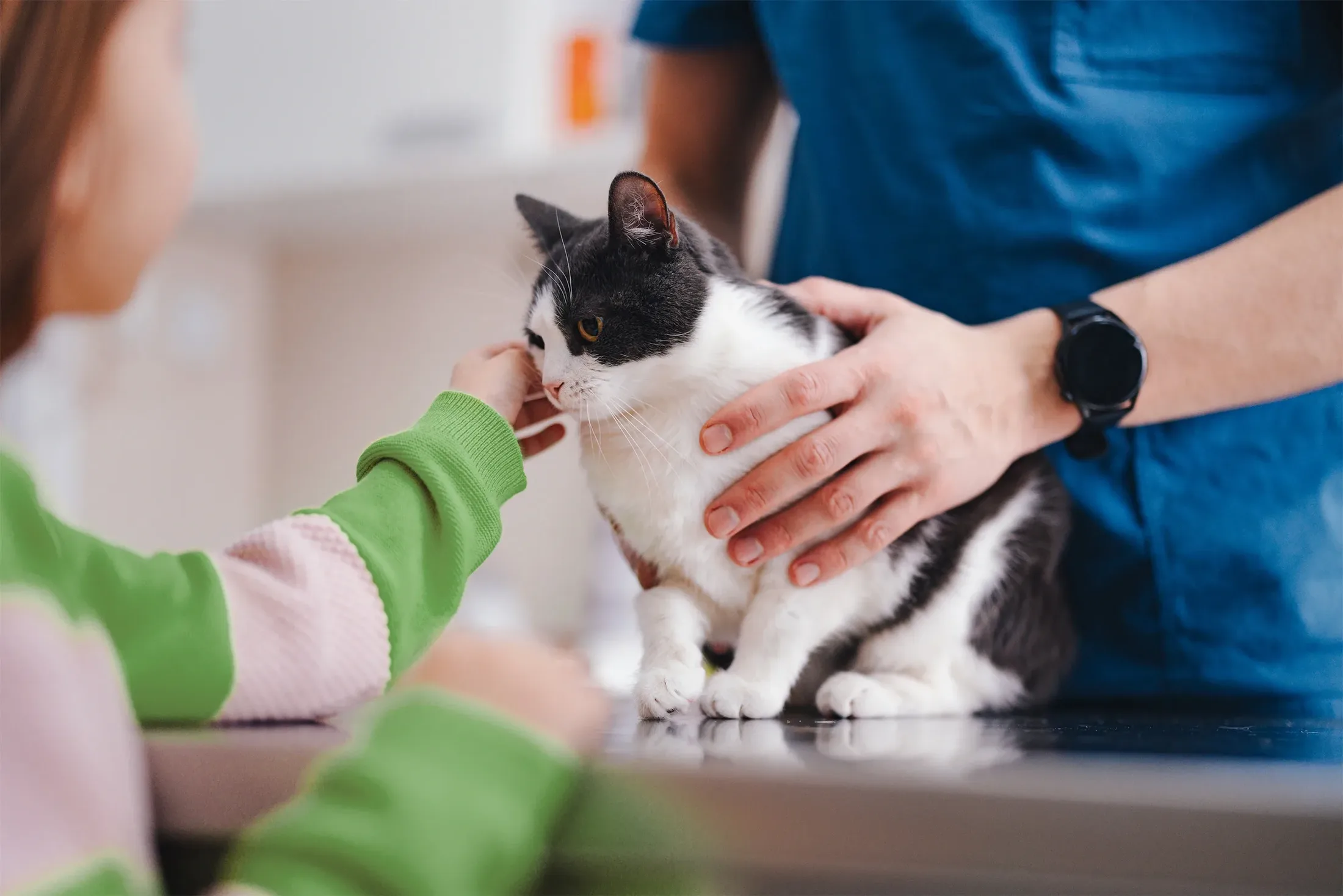


Cardiology| Valve disorders
The heart valves ensure that blood flows in the correct direction. When they fail to close properly or become thickened, regurgitation or obstruction occurs, leading to impaired cardiac function.
The most common valve disorder in dogs is degenerative valvular insufficiency, most often affecting the mitral valve (MMVD). In this condition, blood leaks back into the atrium, placing an increased workload on the heart. Clinical signs include coughing, reduced exercise tolerance, and shortness of breath. The disease is chronic, but medication can slow its progression and alleviate symptoms.
Endocarditis results from bacterial infection of the heart valves, usually secondary to another infection elsewhere in the body. The inflammation damages valve structures and causes regurgitation or thrombus formation. Early diagnosis through echocardiography and blood tests is crucial. Intensive antibiotic therapy and support of cardiac function are required.


Cardiology| Cardiac arrhythmias
Disorders of heart rhythm impair cardiac efficiency and may lead to dizziness, fainting, or sudden weakness.
Arrhythmias such as atrial fibrillation or ventricular premature complexes (VPCs or PVCs) arise from abnormalities in the heart’s electrical conduction system. They may occur as primary conditions or secondary to underlying heart disease. Diagnosis is performed using ECG or Holter monitoring. Treatment ranges from medical therapy to pacemaker implantation, depending on the type and severity.
In atrioventricular (AV) block, electrical impulses between the atria and ventricles are delayed or completely interrupted. This results in a slow heart rate (bradycardia) and fatigue. Premature beats (PVCs) are early heartbeats that, when frequent, can impair cardiac pumping function. Accurate classification determines prognosis and the need for intervention.


Cardiology| Heart failure & myocardial diseases
When the heart is unable to pump sufficient blood, heart failure develops. The underlying cause is often structural abnormalities of the heart muscle or valves.
Heart failure results from reduced pumping capacity, leading to fluid accumulation in the lungs or abdominal cavity. Typical signs include coughing, rapid breathing, decreased appetite, and weakness. Treatment includes diuretics, ACE inhibitors, and other medications to reduce cardiac workload and optimize circulation.
In dilated cardiomyopathy (DCM), heart muscle fibers weaken, causing the heart chambers to dilate and pumping ability to decline. This condition primarily affects large dog breeds. Early diagnosis through echocardiography is essential, as timely treatment can prolong survival.
Hypertrophic cardiomyopathy (HCM) is the most common heart disease in cats. The heart muscle thickens, reducing chamber volume and impairing filling. This can lead to shortness of breath or thromboembolic events. Treatment focuses on lowering heart rate and improving myocardial relaxation.


Cardiology| Congenital abnormalities
Some animals are born with structural heart defects that disrupt normal circulation. Early detection and surgical correction can be life-saving.
A patent ductus arteriosus (PDA) is an open connection between the aorta and the pulmonary artery that normally closes after birth. This causes volume overload of the heart and leads to heart failure if left untreated. Correction via catheter-based intervention or surgery usually results in complete recovery. A persistent right aortic arch (PRAA) causes swallowing difficulties due to compression of the esophagus and can be surgically corrected.
Stenoses restrict blood flow out of the heart, increasing pressure on the heart muscle. Clinical signs range from exercise intolerance to fainting during exertion. Treatment consists of balloon valvuloplasty or surgery to improve blood flow and reduce cardiac workload.

Cardiology| Pericardium & pleura
Fluid accumulation around the heart or within the thoracic cavity interferes with normal breathing and blood circulation.
Accumulation of fluid within the pericardial sac can impair cardiac function. Causes range from inflammation to tumors or trauma. Treatment consists of pericardiocentesis (drainage of the fluid) and, when indicated, surgical removal of the pericardium.
Pleural effusion is the accumulation of fluid within the thoracic cavity, often due to heart failure, inflammation, or neoplasia. This results in respiratory distress. Diagnostic evaluation includes radiography, ultrasound, and fluid aspiration. Treatment involves pleural drainage or placement of a thoracic port (pleural port) in chronic cases.

Cardiology| Diagnostics
Diagnosis of cardiac disease relies on a combination of imaging, electrical measurements, and clinical evaluation.
Echocardiography is the most important diagnostic modality in veterinary cardiology. It provides detailed visualization of valve structures, blood flow, and myocardial function. Doppler analysis allows assessment of pressure gradients and regurgitation, which is crucial for accurate diagnosis.
An ECG records the electrical activity of the heart and identifies rhythm and conduction abnormalities. In cases of prolonged or intermittent clinical signs, 24-hour Holter monitoring may be used.
Elevated blood pressure (hypertension) is most commonly seen in cats with renal or thyroid disease and places additional strain on the heart. Accurate measurement helps prevent secondary damage and allows evaluation of therapeutic efficacy.